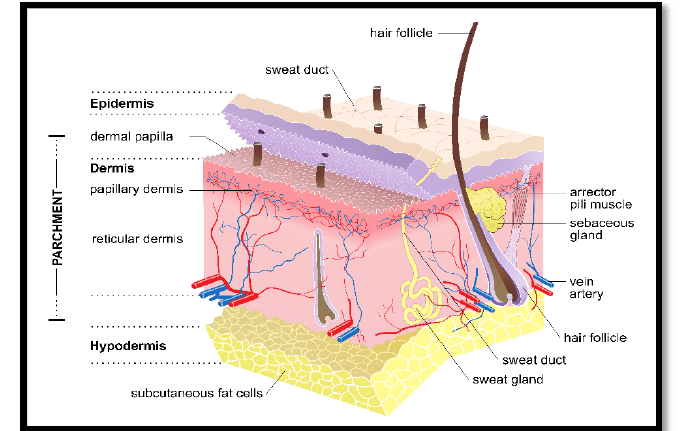
THE CAUSES OF SKIN AGING

           Aging is a natural process to happen to everyone with the increase of the number of living years. The more years you live, the longer aging process you have to undergo, the more aging signs you will have to live through. Aging starts from beginning of adulthood and it ends when one passes away. People age differently and experience multiple different changes while aging. Those changes are expected; some are avoidable and reversible but some other changes are unavoidable and irreversible. With age, bones tend to shrink in size and density, weakening and become prone to fracture. Furthermore, muscles generally lose its strength, endurance and flexibility, thus affecting overall body balancing, coordination and stability. Aged people also tend to lose their teeth more and faster than younger adults. Most of the time, their hair turned to be greyish, whitens and loses its volume. These physical changes are considered enormously normal though being unwelcomed and undesired by some “antiaging” society.

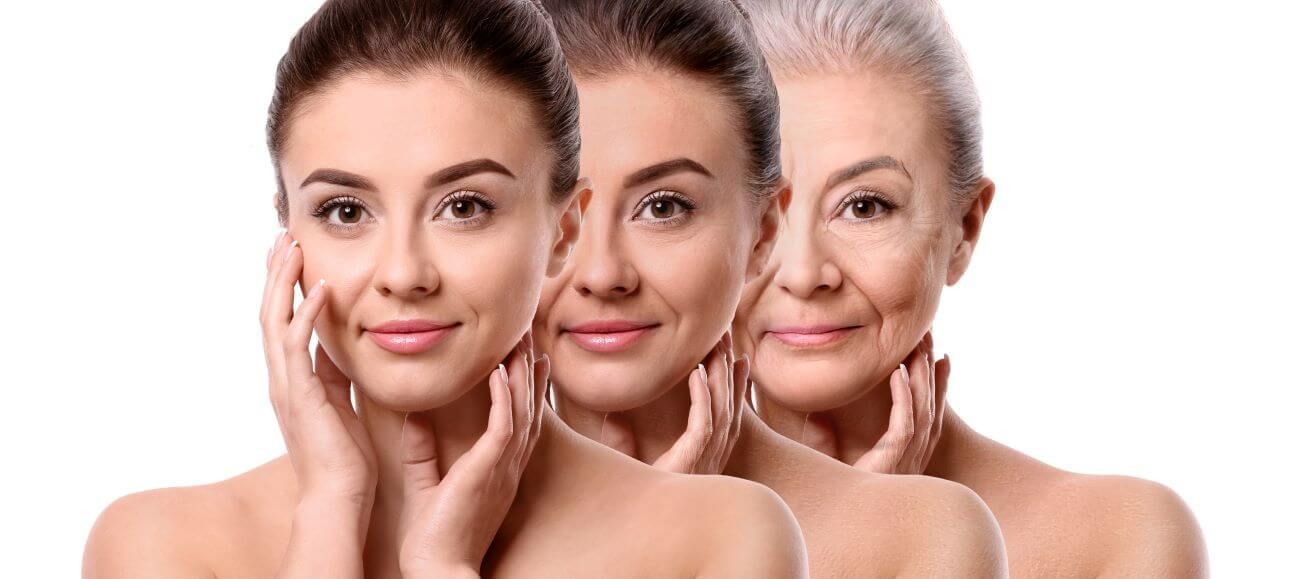
           Other significant change with aging is how skin ages and creates some clear and unambiguous signs, for instance, more noticeable wrinkles, age spots, dryness or loss of skin tone. Additionally, many aging people also suffer hyperpigmentation, darker freckles, saggy skin and sunken cheeks (gaunt face). Like other body parts, skin also ages at different pace depending on many vital aging factors, namely; 1) Intrinsic and 2) Extrinsic factor. Intrinsic factors include the predestined physiological process which are highly associated with gender, ethnicity, genetics, body composition and anatomical variations. Intrinsic aging yields the dry, thin skin and fine wrinkles. This specific factor is very unique and individualized, therefore resulting in consequentially inimitable individual skin changes amongst aging people. 
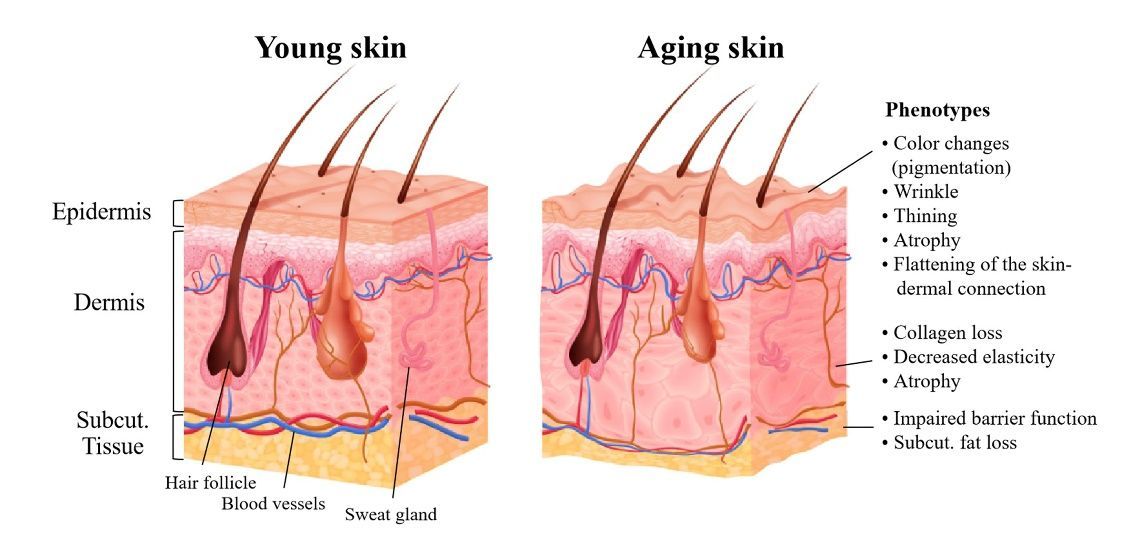
         Inversely, the extrinsic skin aging produces some apparent signs such as coarse wrinkles, increase appearance of wrinkles, skin thinning, loss of elasticity, laxity, discoloration and fragility. These extrinsic signs are frequently avoidable, preventable, reversible, and strongly connected with external environment factors, as discussed below: 

1) Sun exposure/UV light

  • Overexposure to UV light and sunlight cause the skin to age much faster than it should be as both can damage skin cells by increasing the formation of reactive oxygen species (ROS), which at higher concentrations can damage the main proteins in the skin, the collagen and elastin.
  • Photo aging is the side effect of UV light, promoting premature age spots.
  • UV radiation can also cause skin cancer.


2) Smoking

  • Smoking is toxic and harmful for human cells. Skin has collagen as protein to maintain its elasticity. However, smoking stimulates the production of enzyme that breaks down collagen. So that is why the skin loses its elasticity and makes the smokers look much older than their natural age.
  • Smoking also causes premature wrinkling, sagging, and gaunt look.


3) Excessive alcohol consumption

  • Daily consumption of alcohols accelerated biological aging much faster because drinking too much alcohols in a long run is highly associated with many chronic diseases such as liver failure, cancers, brain damage, diabetes, high blood pressure, stroke, etc.


4) Chronic stress

  • When you are under massive stress, your body automatically produces stress hormone called cortisol. Cortisol blocks collagen, thus making you look old.
  • Stress can cause inflammation and damage to DNA in cells, which in turn can accelerate aging. 5) Poor nutrition -Diet in high sugar and carbohydrates can stimulate premature aging.
  • Diet high in vitamin rich food like fruits and vegetables can postpone aging.
  • Foods good for skin are already discussed in previous article.


6) Dehydration

  • In general, adults who consumed less or insufficient daily water requirement are more likely to get many chronic diseases later in life. For example, stroke, high blood pressure, kidney failure, seizures etc.
  • Thus, with these diseases, poor hydration may accelerate biological aging.


 7) Skin care products

  • Products contain high in poisonous mercury is harmful to skin, contributing to ugly side effects such as skin hyperpigmentation, slate-grey skin colour, rashes, blotchy spots, thin face skin, redness, burnt-like, etc.
  • These unpleasant conditions make you look older.


8) Poor sleep

  • Enough sleep is very imperative to sustain a healthy body. Less sleep makes your body ages faster


            To sum up, after learning all kinds of causes of aging, we should embrace aging with a more welcoming, positive and open-arms. Since we know we will age eventually, we should do more proactive methods to slow down biological aging, prevent premature aging, and most importantly, we must stay as healthy as possible to live longer, and happier. Factually, healthier and happier people always look younger than their own age.
By Frontier Advert October 4, 2024
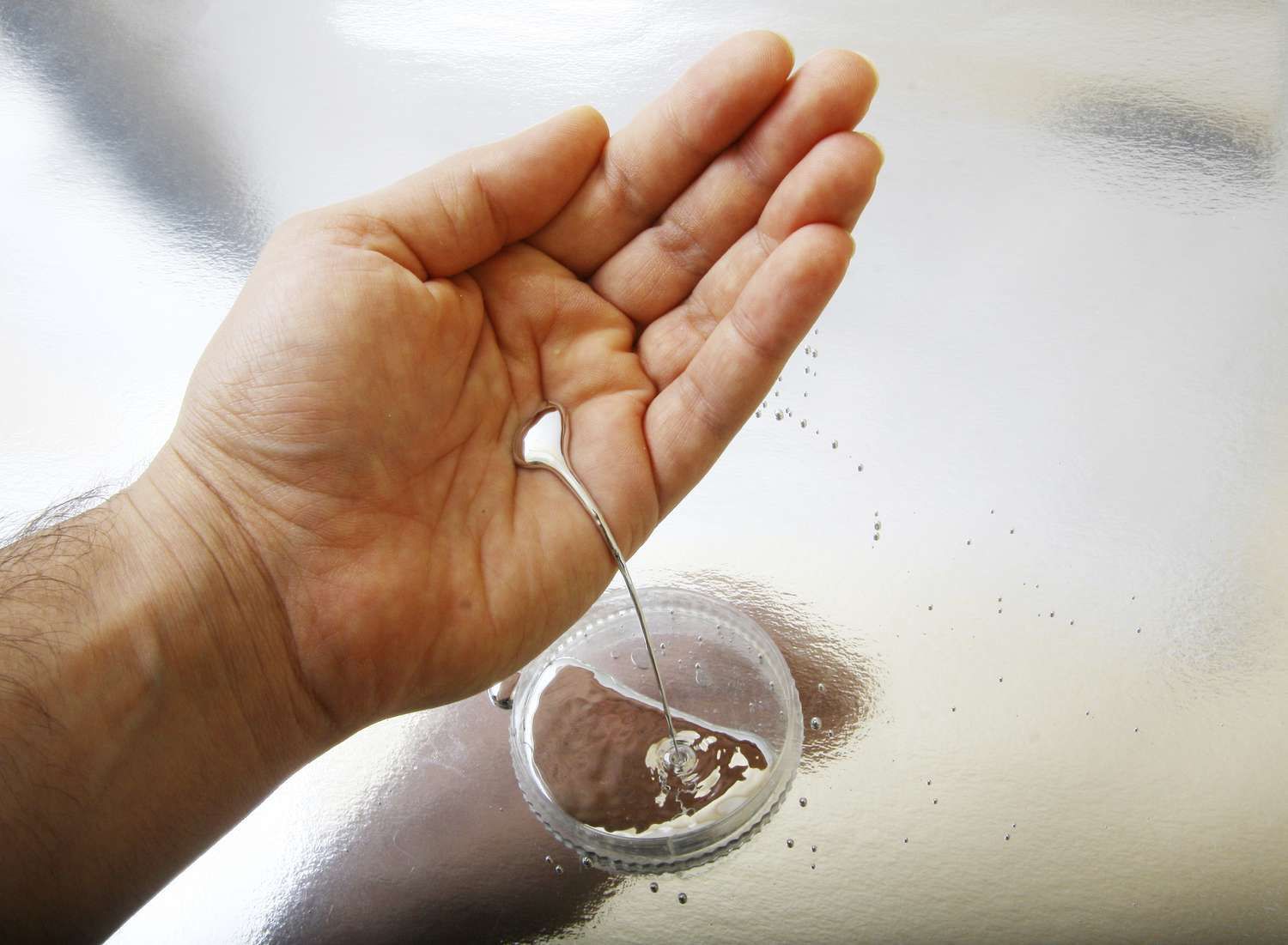
WHAT DOES MERCURY DO TO YOUR SKIN?
By Frontier Advert October 4, 2024
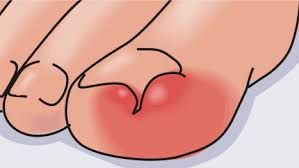
PATIENT STORIES: INGROWN TOENAIL
By Frontier Advert October 4, 2024
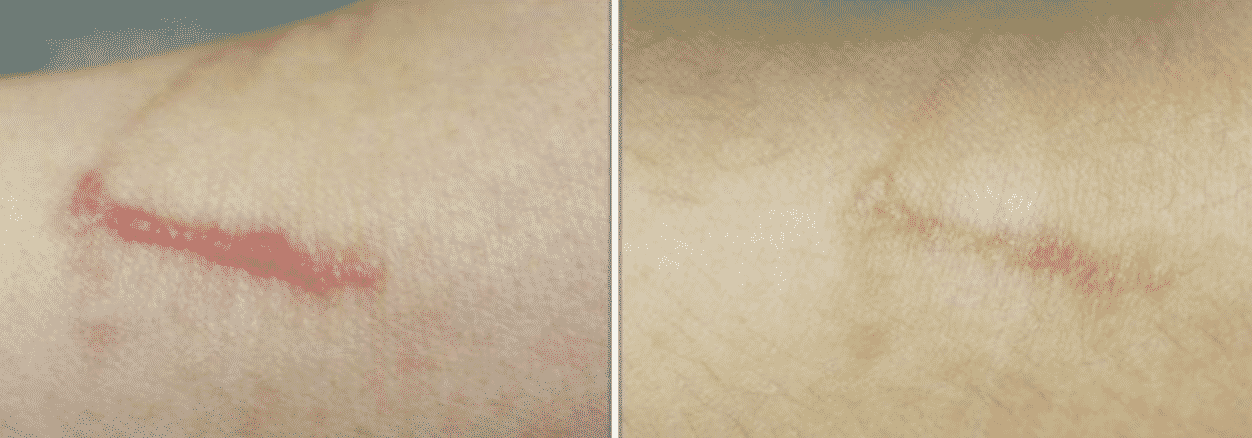
KELOIDS & HYPERTROPHIC SCARS
Zeyls Clinic - Patient Stories
By Zeyls Clinic October 2, 2024
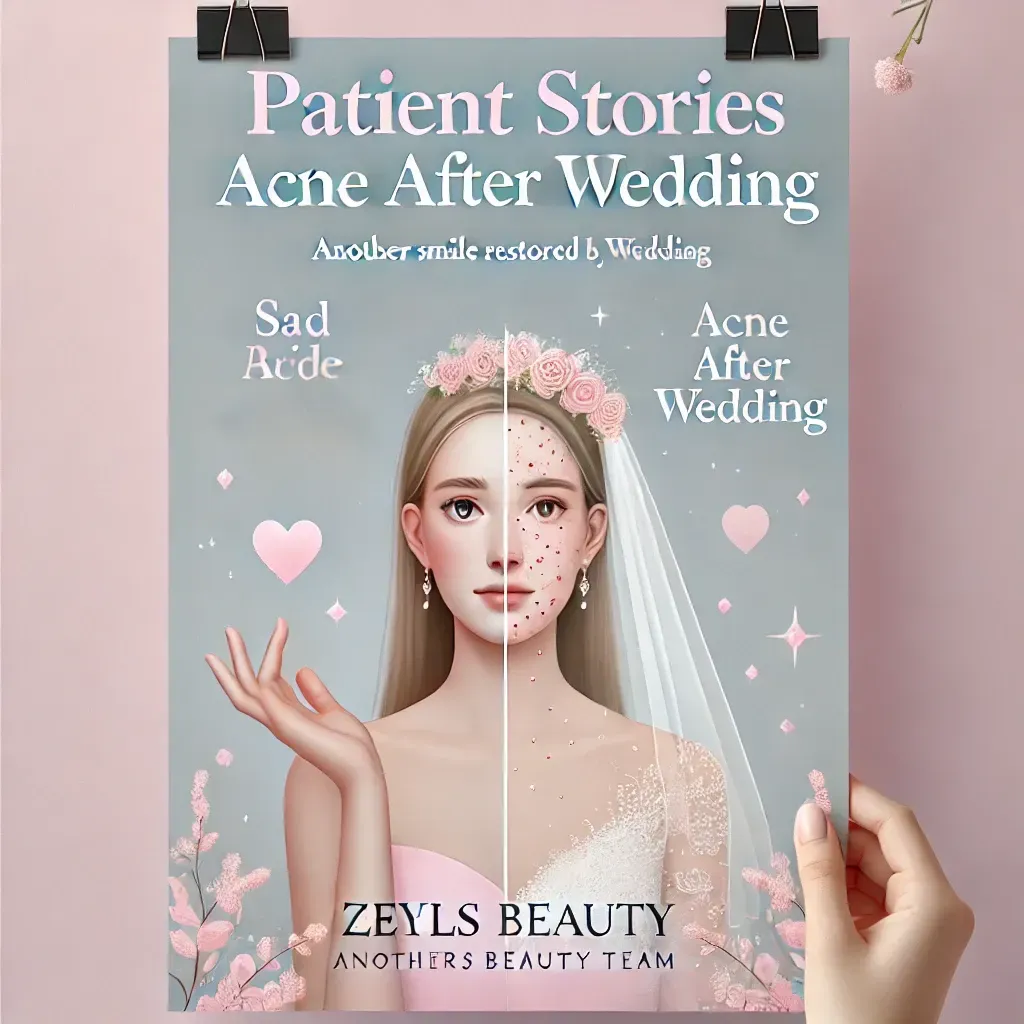
Patient Story: After a sudden post-wedding acne breakout, Airina sought help at Zelys. With expert treatments, she restored her healthy skin and regained confidence.
By Frontier Advert September 20, 2024
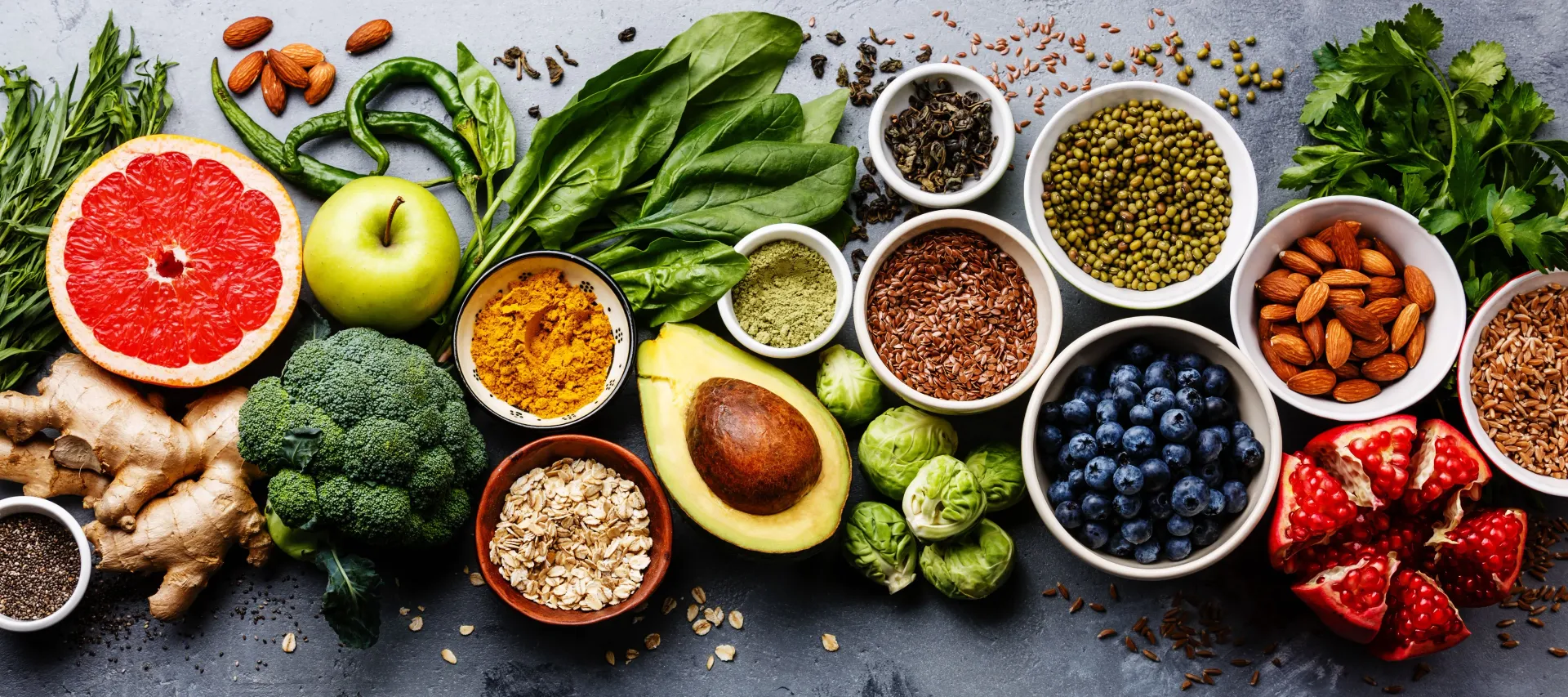
The Best Foods For Healthy Skin
By Frontier Advert September 17, 2024
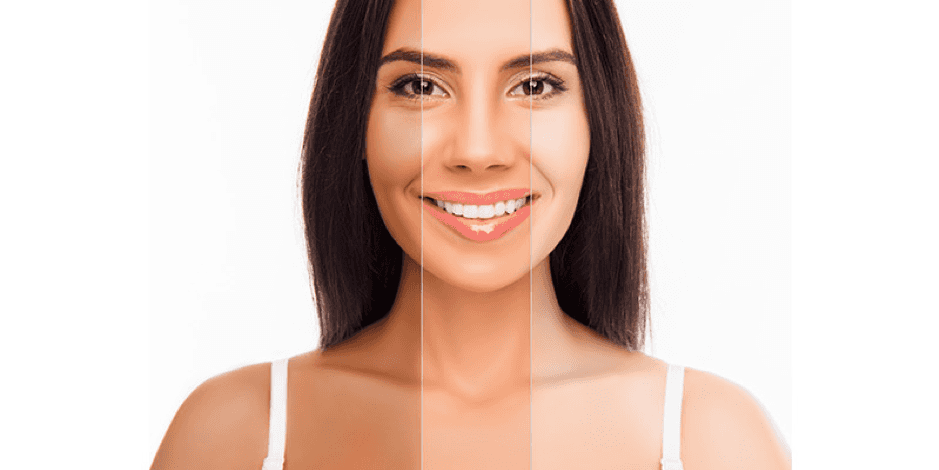
Skin Whitening & Bleaching 
By Frontier Advert September 4, 2024
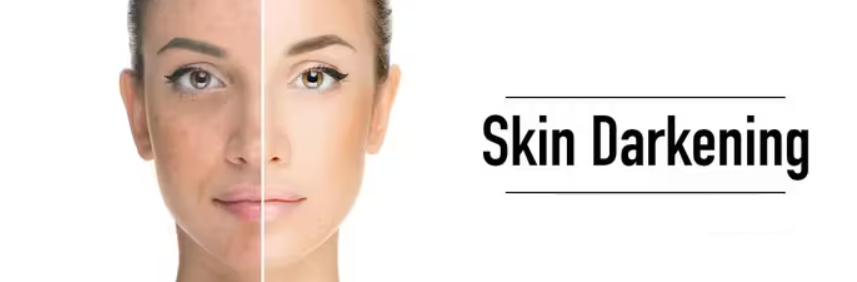
Skin darkening is a condition when your skin undergoes hyperpigmentation, causing excessive melanin production thus subsequently changing skin color to be darker than normal. Depending on skin types, skin darkening can either be mild or extreme. Skin type 1,2 and 3 are prone to skin darkening while type 4, 5 and 6 are more sensitive towards skin discoloration. Even though daily sunlight exposure is exceedingly important for Vitamin D consumption, calcium absorption in the body and prevention of osteoporosis, being exposed to sweltering sun can also cause the skin to darken in color. The longer the skin are exposed to sunlight, then more activation of melanin production, thus the darker the skin will turn. Other than sunlight exposure, skin darkening can be caused by many other significant factors including; 1. Skin infection -Some skin area becomes dark due to infections at hair follicles and sebaceous gland as a result of acne and pinching of acne. 2. Medical illnesses -Some skin areas darken because of kidney disease, anemia, liver disease or any disease related to blood. 3. Hormonal -Some pregnant mothers develop darker skin due to endocrinological changes. Pregnancy hormones like progesterone and estrogen can cause noticeable darker skin at some areas such as breast, nipples, armpits, inner thighs and genital. 4. Food -Food that high in copper like spinach, kale, mustard greens, legumes, asparagus, summer squash, legumes, nuts, and whole grains. -Tanning foods are cherries, watermelon and other red fruits like peaches, apricot and melons. -Food high in beta-carotene can cause orangish yellow discoloration to the skin. For example, carrots, squash, sweet potato and cantaloupe. 5. Lifestyle -Smoking can cause unhealthy skin, thus producing uneven or darker skin tone. -Alcoholism can cause immense dehydration to the body. The dehydrated skin lost its fluid and nutrients vital for skin healthiness. Dry skin wrinkles more quickly and can look dull and grey, or even darker brownish color. -Prolonged alcohol consumption will lead to liver diseases like hepatitis and cirrhosis. These diseases can cause numerous changes to the body and skin such as jaundice (yellowing skin) or darker skin around eyes area. Skin darkening does not only cause unpleasant and obnoxious look, but it also reduces one’s confidence and self-esteem tremendously. To prevent skin darkening from reoccurrence, these are some valuable tips for you: 1. Use sunscreen wisely. 2. Wear more covering outfits. 3. Wear caps/hats and shades. 4. Apply lightening cream that contains Vitamin C, niacinamide, kojic acid and arbutin. 5. Do not use any whitening products to darkened skins because sometimes it can cause the skin to be even darker. For people who suffered skin darkening, they are so desperate and zealous to lighten their skin or to bring their skin back to normal previous tone. So, most of the time, they think that skin whitening will be the greatest option. In current colossal cosmetic and skin care world, we can easily find abundance of makeup products and skin cares, claiming that they have the ability to whiten skins to lighter or desired skin tone. Nonetheless, skin whitening can brutally kill all melanin that are essential and crucial for skin protection against harmful UV rays. Without melanin, the skin will be hypopigmented, resulting in highly sensitive skin, easily damaged and mutated by UV. Most of whitening products contain massive volume of bleaching agents like hydroquinone, mercury, lead, and glutathione. These ingredients are unquestionably dangerous and can cause many atrocious complications such as skin darkening, infertility in reproduction system and primarily, skin cancer. In the nutshell, darkened skin can be treated well according to many root causes. In order to regain original skin color, one should get professional consultation and guidance from skin experts or trusted dermatologists. At Zeyls Clinic, our aesthetician, Datin Dr. Suhaila Sujani will guide you to the right path to heal and rejuvenate your skin. We hope that all consumers will be more precautious about harmful skin whitening products.
By zezu zaza August 26, 2024
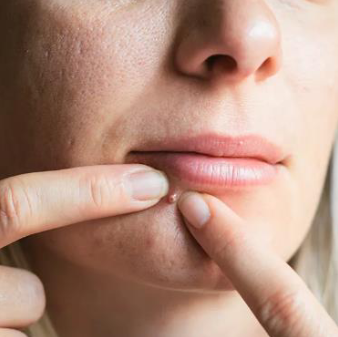
Acne, or Acne Vulgaris, is caused by clogged pores and bacteria, leading to pimples and other skin issues.
By Frontier Advert August 15, 2024
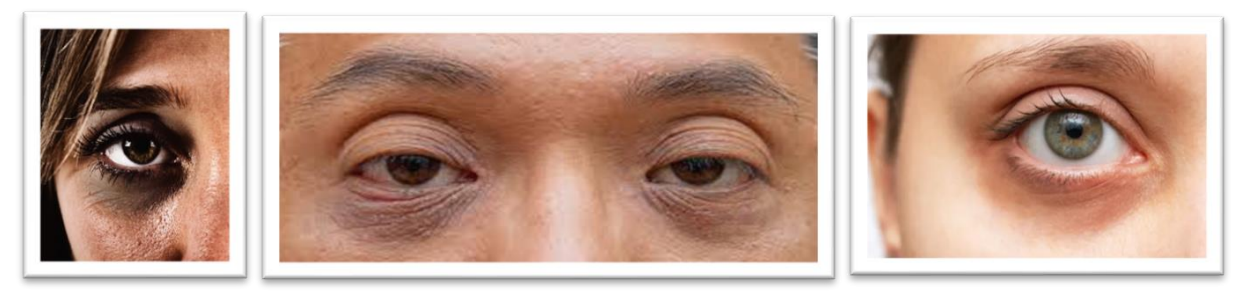
DARK EYE CIRCLE
By Frontier Advert June 13, 2024
There are several layer in our skin. Know the layer of the skin and get to know their functions.