Best Non-surgical Treatments for Thinning Hair
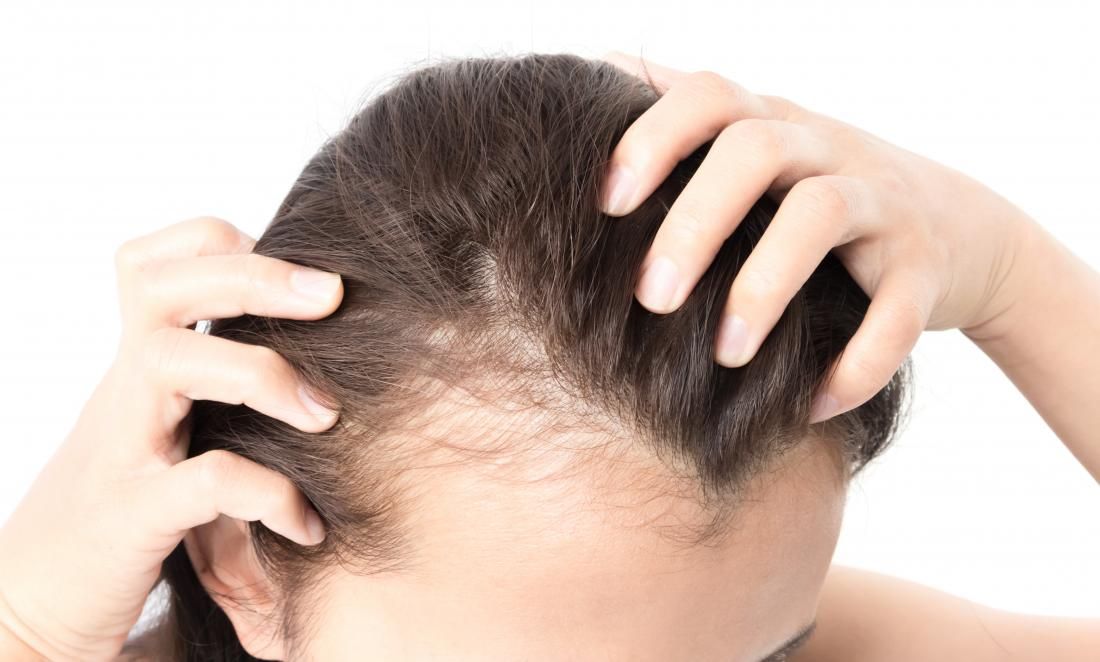

Experiencing hair loss can be more than just how it affects your looks, often carrying deep emotional and psychological implications. The reality of seeing your hair thin or disappear isn’t just about a change in appearance, it can deeply impact how you feel about yourself and how you believe others perceive you. It’s about fitting into societal beauty standards and, more importantly, feeling comfortable and confident in your own skin.


We’ll explore the world of non-surgical hair regeneration an industry filled with innovative solutions that offer hope and proven results without the complexities and commitments of surgery. With benefits like minimal downtime, cost-effectiveness, guaranteed outcomes, and long-lasting results, non-surgical treatments are increasingly becoming the go-to choice for many.


These treatments stand out for their convenience and effectiveness, providing a sense of control and reassurance in a situation that can often feel overwhelming. Whether you’re just beginning to notice hair thinning or are well into your hair loss journey, understanding what options you have is important. So, let’s dive into the industry of non-surgical hair restoration and discover how these treatments are changing lives, one follicle at a time.


Understanding Hair Loss

Hair loss is a condition that affects millions worldwide, with causes ranging from genetics and hormonal changes to stress and lifestyle factors. Male and female pattern baldness, medically known as androgenetic alopecia, is the most common type, often resulting from a combination of genetics and hormonal shifts. Alopecia areata, an autoimmune condition, and telogen effluvium, often triggered by stress or illness, are other forms of hair loss. The psychological impact of hair loss cannot be overstated; it can lead to decreased self-esteem, social anxiety, and in severe cases, depression.


The Appeal of Non-Surgical Treatments

While surgical hair restoration methods like transplants have been popular these last few years, they're not without drawbacks. They can be invasive, expensive, and come with risks such as infection or scarring. On the other hand, non-surgical hair loss treatments that are less invasive options offer effective solutions with fewer risks and lower costs. They are ideal for those seeking effective results without the commitments and downsides of surgery.


Popular Non-Surgical Hair Loss Treatments

Finasteride and Minoxidil: These FDA-approved medications have shown significant success in treating hair loss. Finasteride, taken orally, works by reducing DHT levels, a hormone linked to hair loss, while minoxidil, applied topically, stimulates hair growth and prolongs the growth phase of hair follicles.

Minoxidil stands out as a leading topical treatment. Easy to apply and available over-the-counter, it works by revitalizing hair follicles and is effective for both men and women.


Low-Level Light Therapy (LLLT): This cutting-edge technology uses low-level lasers to stimulate hair follicles, enhancing hair growth and thickness. LLLT is a painless, non-invasive option that's gaining popularity for its effectiveness and ease of use.


Platelet-Rich Plasma (PRP) Therapy: PRP involves injecting a concentration of a patient’s own platelets into the scalp to promote hair growth. This method, while more invasive than topical treatments, is highly effective and harnesses the body’s natural healing mechanisms.


Natural Remedies: Natural options like coconut oil, aloe vera, onion juice, and supplements such as iron, biotin, and zinc are gaining traction. These remedies can nourish the hair and scalp, promoting healthier hair growth.


The Role of Lifestyle in Hair Health

To really take care of your hair, you've got to think about your lifestyle too. A balanced diet rich in essential nutrients, regular exercise, and effective stress management can all contribute to healthier hair. Additionally, proper hair care practices, like avoiding harsh chemicals and heat treatments, play a crucial role in maintaining hair strength and preventing further loss.


Choosing the Right Treatment

Selecting the right treatment depends on factors like the extent of hair loss, lifestyle, and individual health conditions. And while non-surgical treatments are generally safe, it's crucial to understand their potential side effects. It's important to consult with a healthcare professional to tailor a treatment plan that suits your specific needs.


Conclusion

Non-surgical hair loss treatments offer a beacon of hope for those struggling with hair loss. They provide effective solutions without the risks and downsides of surgery. By understanding your options and making informed choices, you can embark on a journey to not only restore your hair but also regain the confidence and self-assuredness that comes with it. Explore these treatments and take the first step towards a happier, more confident you.
By Frontier Advert October 4, 2024
WHAT DOES MERCURY DO TO YOUR SKIN?
By Frontier Advert October 4, 2024
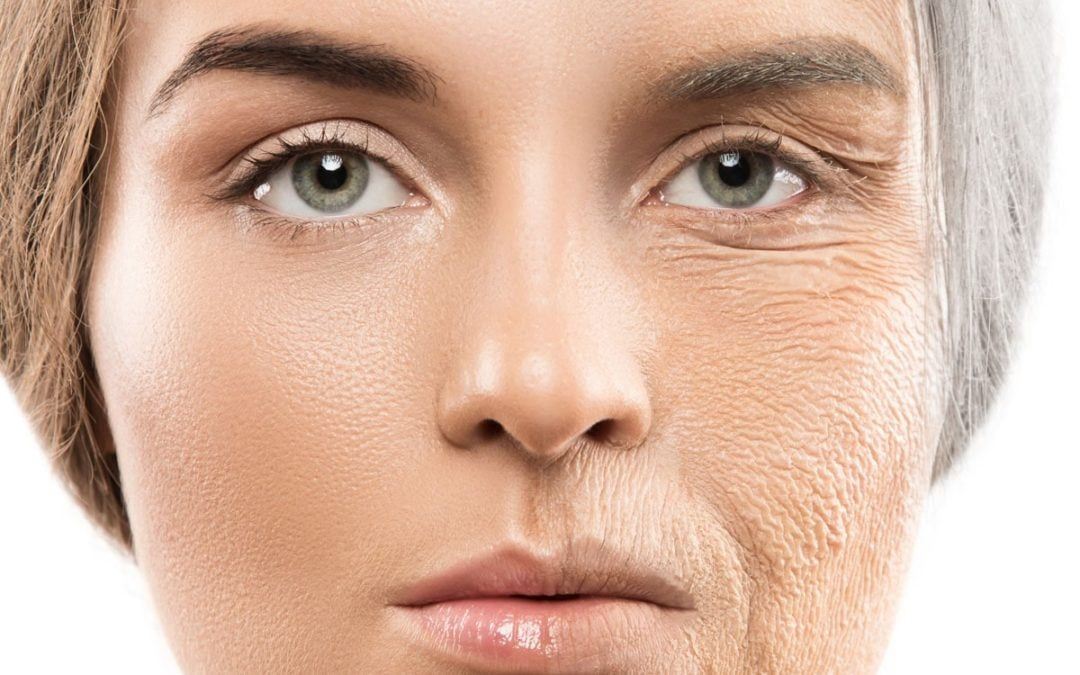
THE CAUSES OF SKIN AGING
By Frontier Advert October 4, 2024
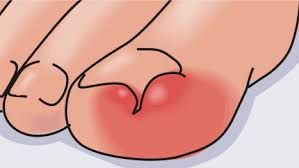
PATIENT STORIES: INGROWN TOENAIL
By Frontier Advert October 4, 2024
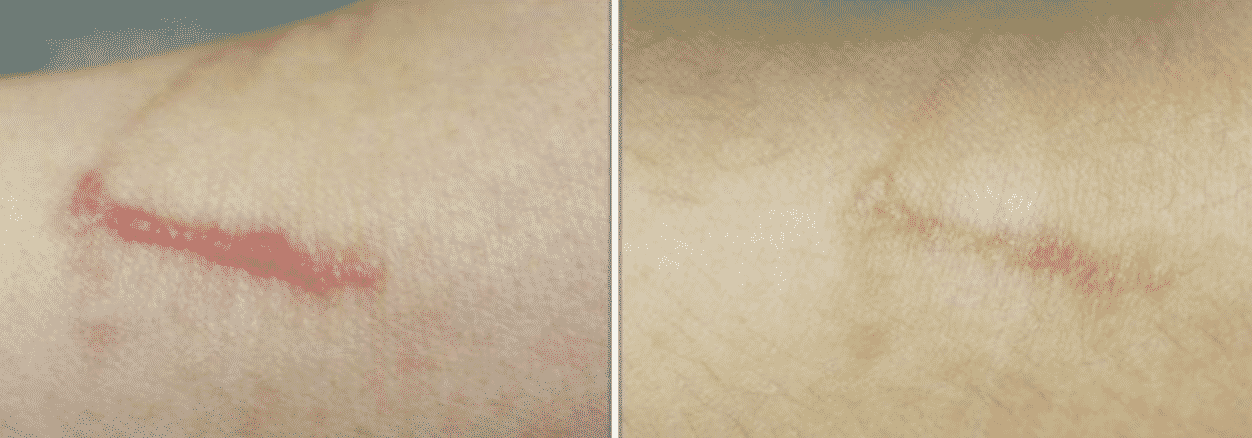
KELOIDS & HYPERTROPHIC SCARS
Zeyls Clinic - Patient Stories
By Zeyls Clinic October 2, 2024
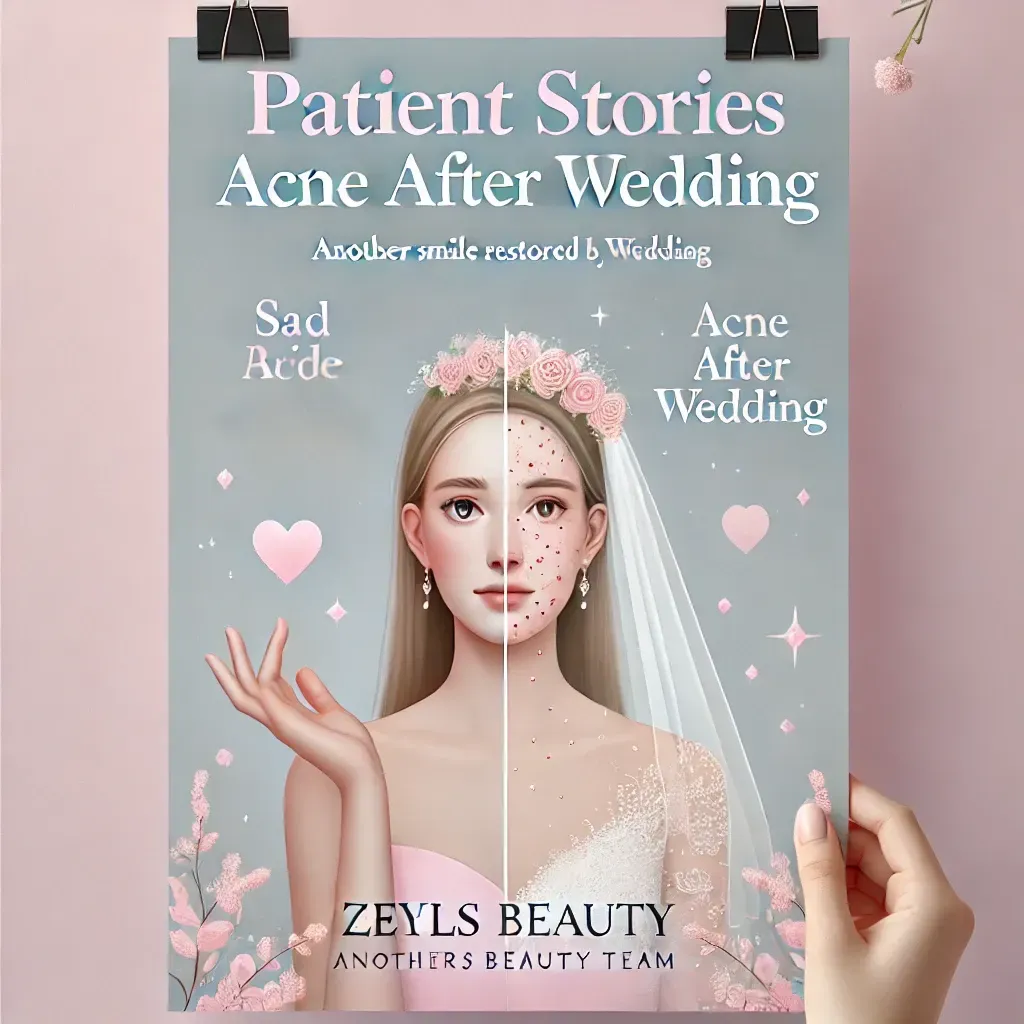
Patient Story: After a sudden post-wedding acne breakout, Airina sought help at Zelys. With expert treatments, she restored her healthy skin and regained confidence.
By Frontier Advert September 20, 2024
The Best Foods For Healthy Skin
By Frontier Advert September 17, 2024
Skin Whitening & Bleaching 
By Frontier Advert September 4, 2024
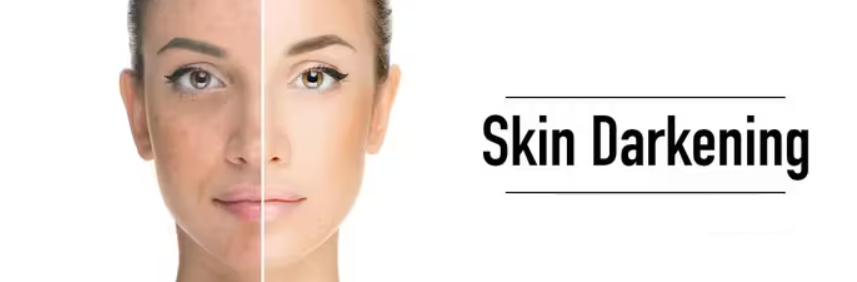
Skin darkening is a condition when your skin undergoes hyperpigmentation, causing excessive melanin production thus subsequently changing skin color to be darker than normal. Depending on skin types, skin darkening can either be mild or extreme. Skin type 1,2 and 3 are prone to skin darkening while type 4, 5 and 6 are more sensitive towards skin discoloration. Even though daily sunlight exposure is exceedingly important for Vitamin D consumption, calcium absorption in the body and prevention of osteoporosis, being exposed to sweltering sun can also cause the skin to darken in color. The longer the skin are exposed to sunlight, then more activation of melanin production, thus the darker the skin will turn. Other than sunlight exposure, skin darkening can be caused by many other significant factors including; 1. Skin infection -Some skin area becomes dark due to infections at hair follicles and sebaceous gland as a result of acne and pinching of acne. 2. Medical illnesses -Some skin areas darken because of kidney disease, anemia, liver disease or any disease related to blood. 3. Hormonal -Some pregnant mothers develop darker skin due to endocrinological changes. Pregnancy hormones like progesterone and estrogen can cause noticeable darker skin at some areas such as breast, nipples, armpits, inner thighs and genital. 4. Food -Food that high in copper like spinach, kale, mustard greens, legumes, asparagus, summer squash, legumes, nuts, and whole grains. -Tanning foods are cherries, watermelon and other red fruits like peaches, apricot and melons. -Food high in beta-carotene can cause orangish yellow discoloration to the skin. For example, carrots, squash, sweet potato and cantaloupe. 5. Lifestyle -Smoking can cause unhealthy skin, thus producing uneven or darker skin tone. -Alcoholism can cause immense dehydration to the body. The dehydrated skin lost its fluid and nutrients vital for skin healthiness. Dry skin wrinkles more quickly and can look dull and grey, or even darker brownish color. -Prolonged alcohol consumption will lead to liver diseases like hepatitis and cirrhosis. These diseases can cause numerous changes to the body and skin such as jaundice (yellowing skin) or darker skin around eyes area. Skin darkening does not only cause unpleasant and obnoxious look, but it also reduces one’s confidence and self-esteem tremendously. To prevent skin darkening from reoccurrence, these are some valuable tips for you: 1. Use sunscreen wisely. 2. Wear more covering outfits. 3. Wear caps/hats and shades. 4. Apply lightening cream that contains Vitamin C, niacinamide, kojic acid and arbutin. 5. Do not use any whitening products to darkened skins because sometimes it can cause the skin to be even darker. For people who suffered skin darkening, they are so desperate and zealous to lighten their skin or to bring their skin back to normal previous tone. So, most of the time, they think that skin whitening will be the greatest option. In current colossal cosmetic and skin care world, we can easily find abundance of makeup products and skin cares, claiming that they have the ability to whiten skins to lighter or desired skin tone. Nonetheless, skin whitening can brutally kill all melanin that are essential and crucial for skin protection against harmful UV rays. Without melanin, the skin will be hypopigmented, resulting in highly sensitive skin, easily damaged and mutated by UV. Most of whitening products contain massive volume of bleaching agents like hydroquinone, mercury, lead, and glutathione. These ingredients are unquestionably dangerous and can cause many atrocious complications such as skin darkening, infertility in reproduction system and primarily, skin cancer. In the nutshell, darkened skin can be treated well according to many root causes. In order to regain original skin color, one should get professional consultation and guidance from skin experts or trusted dermatologists. At Zeyls Clinic, our aesthetician, Datin Dr. Suhaila Sujani will guide you to the right path to heal and rejuvenate your skin. We hope that all consumers will be more precautious about harmful skin whitening products.
By zezu zaza August 26, 2024
Acne, or Acne Vulgaris, is caused by clogged pores and bacteria, leading to pimples and other skin issues.
By Frontier Advert August 15, 2024
DARK EYE CIRCLE