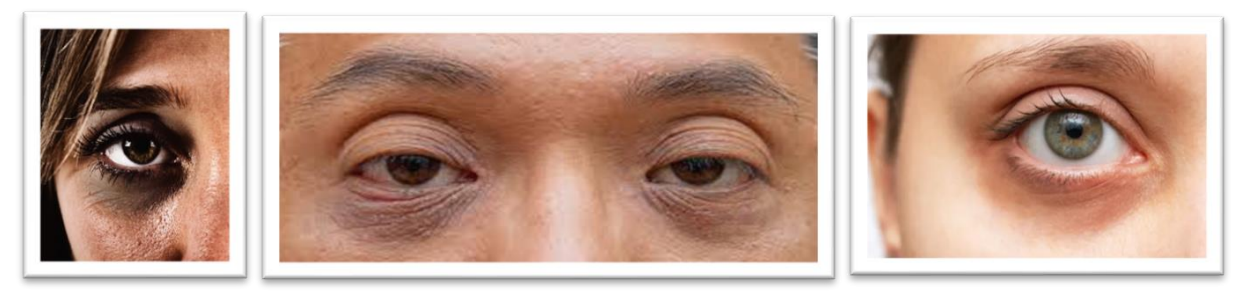
SAGGY SKIN: WHAT TO DO ABOUT IT 

Skin is comprised of three main layers, namely, epidermis, dermis and hypodermis.

Firstly, being anatomically at the top layer of skin, epidermis functions as protective barrier, makes new skin cells, protects the body and gives color to the skin.

Secondly, the middle layer, dermis. Dermis also has several important roles such as; (i) provides strength, resilience and stability via collagen and elastin, (ii)contains the nerve receptors essential for touch and senses, (iii)makes oil thus keeping the skin smooth and soft, (iv) produces sweats and regulates body temperature, and (v) supplies blood and nutrients to epidermis.

Last but not least, the fatty bottom layer of skin is called hypodermis, which carries multiple vital roles, for example, helps the nerves and blood vessels, cushions muscle and bones, connects skin to bone and muscle via connective tissues, and regulates body temperature.

These three layers of skin work harmoniously and hardworkingly in helping the skin to have the best performance and functionality. 
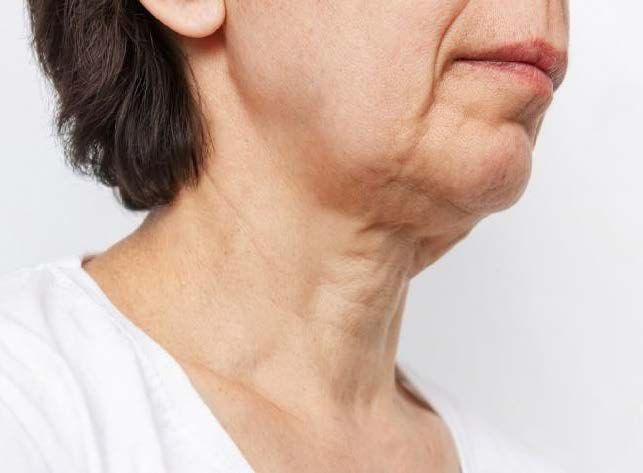

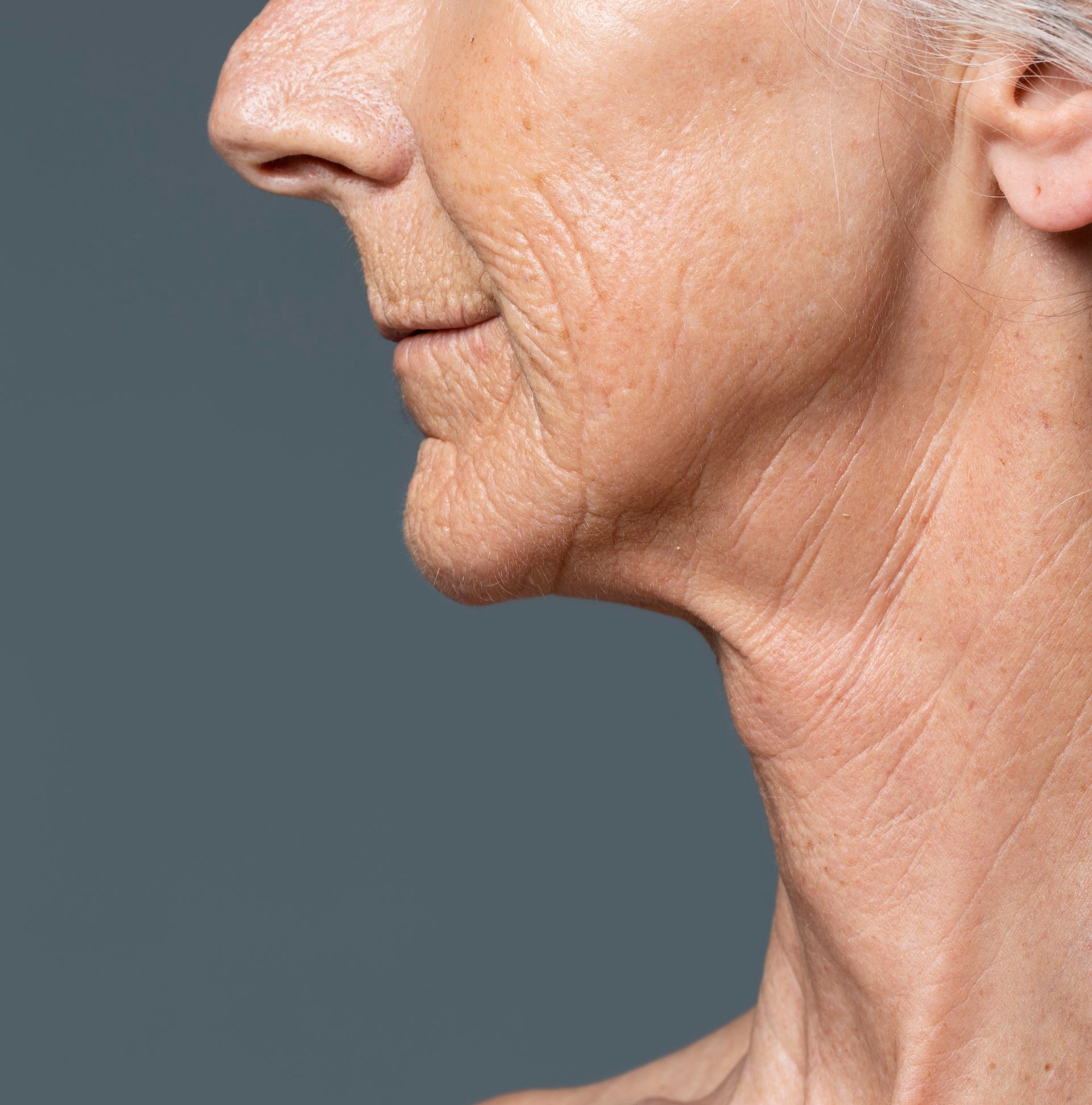
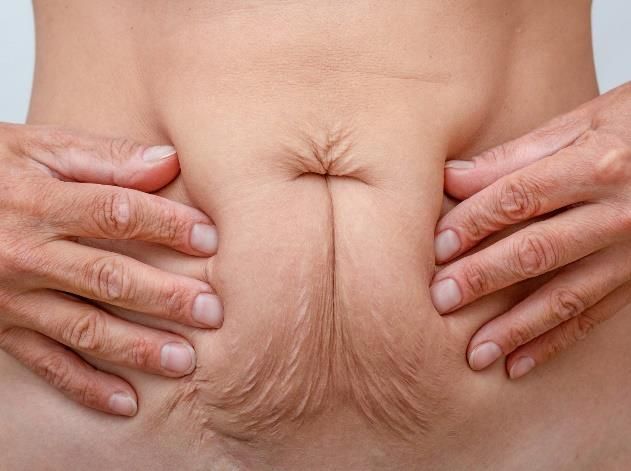
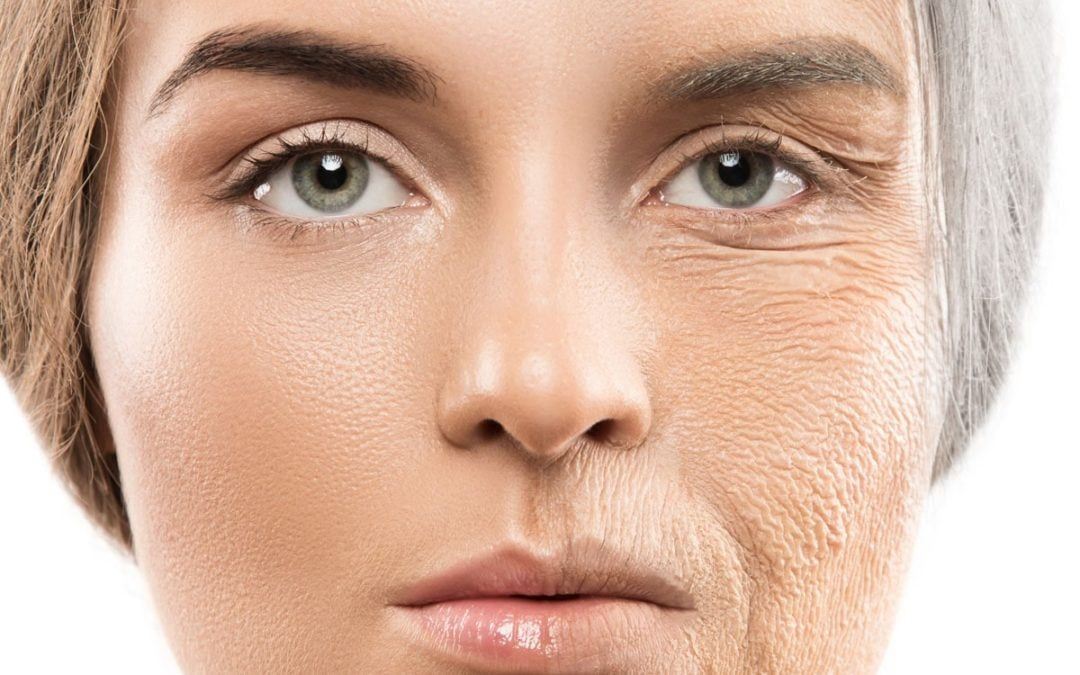
Like any other body organs, skin also undergoes many changes through out one’s entire life. Starting from childhood to puberty, then to adulthood and later become elderly, skin always changed. It is absolutely natural for our body to age, but when skin ages, it also becomes saggy. Saggy skin happened when one’s skin loses its stability, firmness and strength due to significant reduction of two most important skin proteins, the collagen and elastin in the dermis layer. Saggy skin usually occurs among 50 to 60 years old people and it can be seen at several parts of the body, for instance, cheeks, jowls, eyelids, chin, throat and stomach. Besides aging, there are several other factors that cause saggy skin, including: 


  1. Too much of UV exposure 

   2. Weight loss 

   3. Post-pregnancy 

   4. Smoking habit 

   5. Imbalance / unhealthy diet 

   6. Dehydration 

   7. Loss of epidermis thickness at age of 70. 


After learning all the possible causes of saggy skin, now it is time for us to acquire more knowledge on the treatments for saggy skin. Treatment is highly depending on severity and the area of sagging. In order to rejuvenate and bring back some youthfulness to the skin, we can initiate some non-surgical methods and well-proven cosmetic/aesthetic procedures, as written below: 


(A) Non-surgical method 

  1. 1. Firming creams 

-Use daily facial cream that has retinol and collagens. 


2. Facial exercise 

-Jaw and mouth exercise can help strengthen the facial muscles, thus giving some anti-aging benefits. 

-Regular facial muscle exercises improve blood flow to the face, supplies the skin with more nutrients, yielding in skin cells rejuvenation and wrinkle prevention. 


3. Supplements 

-Choose supplement that contain collagen peptides and vitamin C. Both of these ingredients are very powerful in improving skin’s appearance. 


4. Protection against UV rays 

-While doing activities under direct sun exposure, wear reasonable clothes or long sleeve shirt to all skin area and hat or cap to cover face area. Use umbrella when needed.


(B) Aesthetic procedures
1. Chemical peel 

-Chemical peel is a minimal invasive procedure, yet it helps to improve skin texture and also removes damaged skin cells. 


    2. Laser treatment 

-It is the most effective treatment to tighten skin and the better result can last up to 5 years. 


   3. Ultrasound skin tightening 

-With the presence of heat, the ultrasound waves go deeper into skin layer to promote production of collagens, resulting in smoother and firmer skin. 


In summary, saggy skin is common when we age. However, some people experience it way before the age it should be. With sagged skin, these people typically look much older than their actual age. Not only that, the sagged area also looks unpleasant and unattractive. Gratefully, with current advancement in medical and skin technologies, more reliable options and treatments for saggy skin available on market. But we should take wise action and get professional skin consultations by trusted dermatologists or certified aestheticians. At Zeyls Clinic, our skin expert, Datin Dr. Suhaila Sujani will guide you to regain your skin youthfulness. 

By Frontier Advert October 4, 2024
WHAT DOES MERCURY DO TO YOUR SKIN?
By Frontier Advert October 4, 2024
THE CAUSES OF SKIN AGING
By Frontier Advert October 4, 2024
PATIENT STORIES: INGROWN TOENAIL
By Frontier Advert October 4, 2024
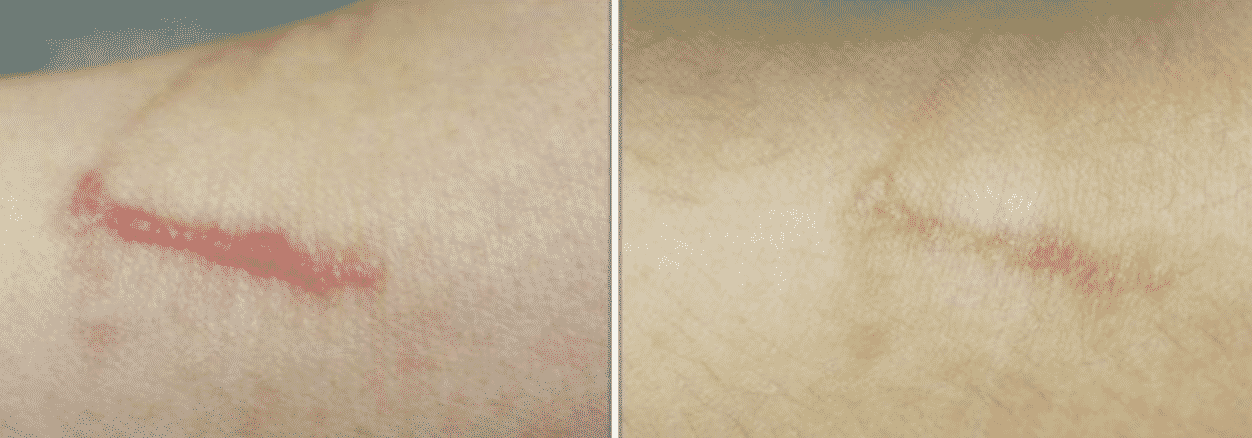
KELOIDS & HYPERTROPHIC SCARS
Zeyls Clinic - Patient Stories
By Zeyls Clinic October 2, 2024
Patient Story: After a sudden post-wedding acne breakout, Airina sought help at Zelys. With expert treatments, she restored her healthy skin and regained confidence.
By Frontier Advert September 20, 2024
The Best Foods For Healthy Skin
By Frontier Advert September 17, 2024
Skin Whitening & Bleaching 
By Frontier Advert September 4, 2024
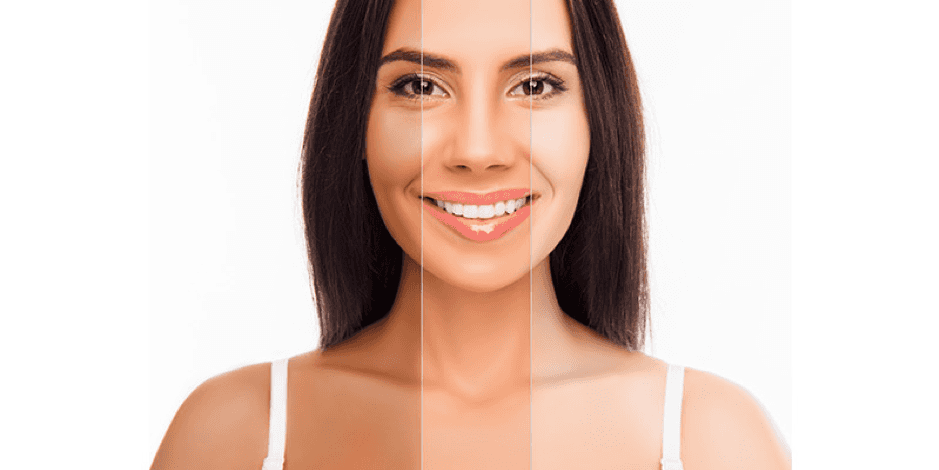
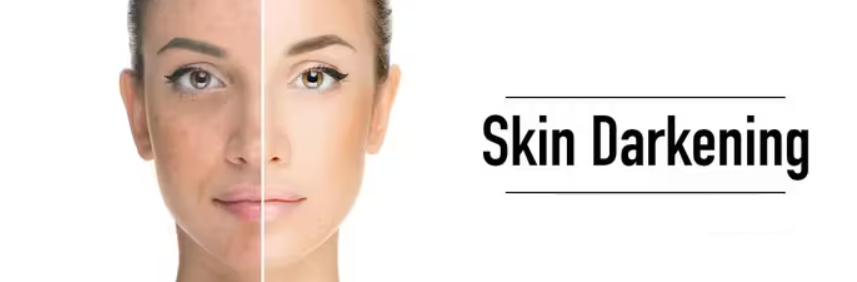
Skin darkening is a condition when your skin undergoes hyperpigmentation, causing excessive melanin production thus subsequently changing skin color to be darker than normal. Depending on skin types, skin darkening can either be mild or extreme. Skin type 1,2 and 3 are prone to skin darkening while type 4, 5 and 6 are more sensitive towards skin discoloration. Even though daily sunlight exposure is exceedingly important for Vitamin D consumption, calcium absorption in the body and prevention of osteoporosis, being exposed to sweltering sun can also cause the skin to darken in color. The longer the skin are exposed to sunlight, then more activation of melanin production, thus the darker the skin will turn. Other than sunlight exposure, skin darkening can be caused by many other significant factors including; 1. Skin infection -Some skin area becomes dark due to infections at hair follicles and sebaceous gland as a result of acne and pinching of acne. 2. Medical illnesses -Some skin areas darken because of kidney disease, anemia, liver disease or any disease related to blood. 3. Hormonal -Some pregnant mothers develop darker skin due to endocrinological changes. Pregnancy hormones like progesterone and estrogen can cause noticeable darker skin at some areas such as breast, nipples, armpits, inner thighs and genital. 4. Food -Food that high in copper like spinach, kale, mustard greens, legumes, asparagus, summer squash, legumes, nuts, and whole grains. -Tanning foods are cherries, watermelon and other red fruits like peaches, apricot and melons. -Food high in beta-carotene can cause orangish yellow discoloration to the skin. For example, carrots, squash, sweet potato and cantaloupe. 5. Lifestyle -Smoking can cause unhealthy skin, thus producing uneven or darker skin tone. -Alcoholism can cause immense dehydration to the body. The dehydrated skin lost its fluid and nutrients vital for skin healthiness. Dry skin wrinkles more quickly and can look dull and grey, or even darker brownish color. -Prolonged alcohol consumption will lead to liver diseases like hepatitis and cirrhosis. These diseases can cause numerous changes to the body and skin such as jaundice (yellowing skin) or darker skin around eyes area. Skin darkening does not only cause unpleasant and obnoxious look, but it also reduces one’s confidence and self-esteem tremendously. To prevent skin darkening from reoccurrence, these are some valuable tips for you: 1. Use sunscreen wisely. 2. Wear more covering outfits. 3. Wear caps/hats and shades. 4. Apply lightening cream that contains Vitamin C, niacinamide, kojic acid and arbutin. 5. Do not use any whitening products to darkened skins because sometimes it can cause the skin to be even darker. For people who suffered skin darkening, they are so desperate and zealous to lighten their skin or to bring their skin back to normal previous tone. So, most of the time, they think that skin whitening will be the greatest option. In current colossal cosmetic and skin care world, we can easily find abundance of makeup products and skin cares, claiming that they have the ability to whiten skins to lighter or desired skin tone. Nonetheless, skin whitening can brutally kill all melanin that are essential and crucial for skin protection against harmful UV rays. Without melanin, the skin will be hypopigmented, resulting in highly sensitive skin, easily damaged and mutated by UV. Most of whitening products contain massive volume of bleaching agents like hydroquinone, mercury, lead, and glutathione. These ingredients are unquestionably dangerous and can cause many atrocious complications such as skin darkening, infertility in reproduction system and primarily, skin cancer. In the nutshell, darkened skin can be treated well according to many root causes. In order to regain original skin color, one should get professional consultation and guidance from skin experts or trusted dermatologists. At Zeyls Clinic, our aesthetician, Datin Dr. Suhaila Sujani will guide you to the right path to heal and rejuvenate your skin. We hope that all consumers will be more precautious about harmful skin whitening products.
By zezu zaza August 26, 2024
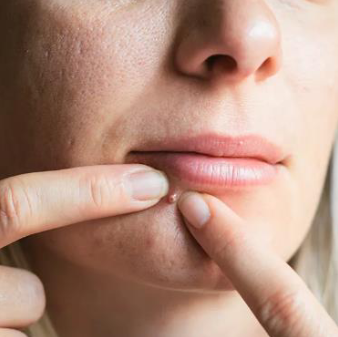
Acne, or Acne Vulgaris, is caused by clogged pores and bacteria, leading to pimples and other skin issues.
By Frontier Advert August 15, 2024
DARK EYE CIRCLE