ACNE: TYPES AND CAUSES
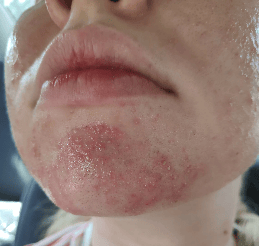
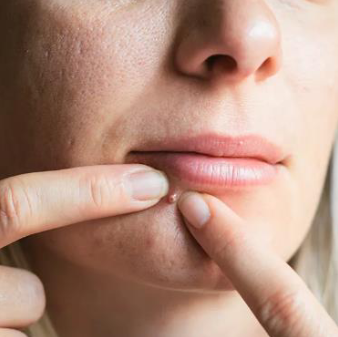
Acne, also known as Acne Vulgaris, is a skin condition caused by clogged pores, bacterial infections or inflammation, thus producing acne symptoms such as pimples, white heads and black heads. Acne is very common to happen among teenagers, young adults and people under 30 years old. Teenagers often get acne caused by regular hormonal changes and lack of personal hygiene.
There are hundreds or even thousands of products related to skin problems especially acne, are available in the market. Unfortunately, young publics tend to be easily influenced by those products’ promotion and marketing because they were misinformed and received untrue knowledge about skin anatomically and physiologically. Then, they use the products without any professional guidance or recommendations by skin experts. Later, they have to bear any bad consequences or traumatic side effects on their skins.
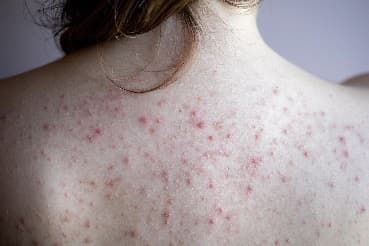
In medical field, acne is classified as comedogenic, inflammatory, papules, nodules, pustules, and cystic acne. Each type of acne has its own specific way to treat. Furthermore, unlike infections, acne can also be caused by mites (demodex mites; Demodex folluculorum, Demodex bravis) and fungal (Pityriasis folliculorum). Mites grow inside hair follicles and sebum glands under the skin. It consumes all epidermis cells and sebum components, and then migrates into another skin layer, (usually rich in sebum glands) for example, forehead, cheek, eyelid, and chin. Those mites turn the skin to be very dry, peeled, rashes, and red.
Meanwhile, fungal acne is caused by infections of Malasezia folliculitis or/and Pityriasis folliculorum. Sweaty skin due to humid weather or physical activities made the skin to be prone to fungal infections (Tinea versicolor, Malasezia furfur). The continuous skin infections can also infect the hair follicles thus producing inflammation, itchy dan reddish acne. Other than face, this acne can grow at any other body parts such as upper and lower back, head, armpits and pubic area. Besides that, a cluster of many small, itchy, red bumps can also be seen on chest and arms.
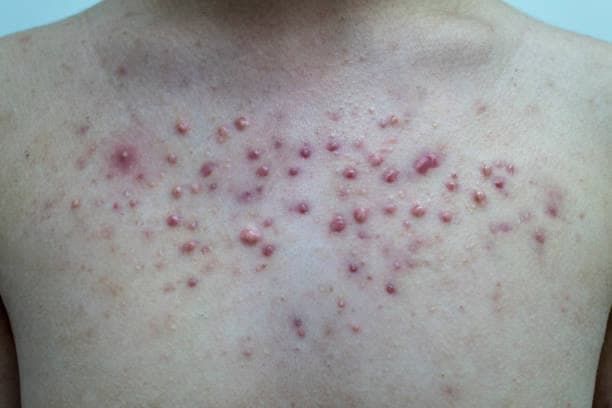
In addition, acne can be repeatedly and continuously grown on one’s skin if not treated well by professional skin expert. Acne must be treated from the root cause in order to vanish it completely, using the right treatment and medications. Only medical doctors who have special certification in skin, great experience in skin treatment and licensed aestheticians can give advice on how to treat your acne. Treatments done based on inaccurate diagnosis can lead to unsolved acne problem, unwell skin, inflammations, thinned and reddish skin. Some people may experience even worse conditions, for instance, acne-like lesions, because of repeated infections on thin and sensitive
skin. Therefore, one who has acne issue should get professional consultation from the right doctor and the right skin clinics.
As mentioned earlier, acne among teenagers and young adults are caused by hormones and hygiene. However, if the acne is still happened to adults more than 30 years of age, these are ten possible reasons:
1. Usage of poisonous beauty products (banned by KKM)
2.Often use of make up
3.Make up residues are not well cleaned/removed
4.Unhealthy eating lifestyle
5.Obesity
6.Smoking
7.Alcohols
8.PCOS
9.Skin irritation
10.Side effects of some medications
In conclusion, after knowing all types of acnes and its causes, we should enrich ourself with more accurate knowledge about how to have a healthier skin. Otherwise, any unwise decision we make in solving our acne issue will just victimize our skin, and later cause more significant unwanted skin problems. On top of that, we might spend thousands of dollars for nothing.
Therefore, we should start finding our trusted skin experts and get treatments at the best skin clinic, accordingly.